Apple officially retires first-generation iPhone SE, marking end of an era
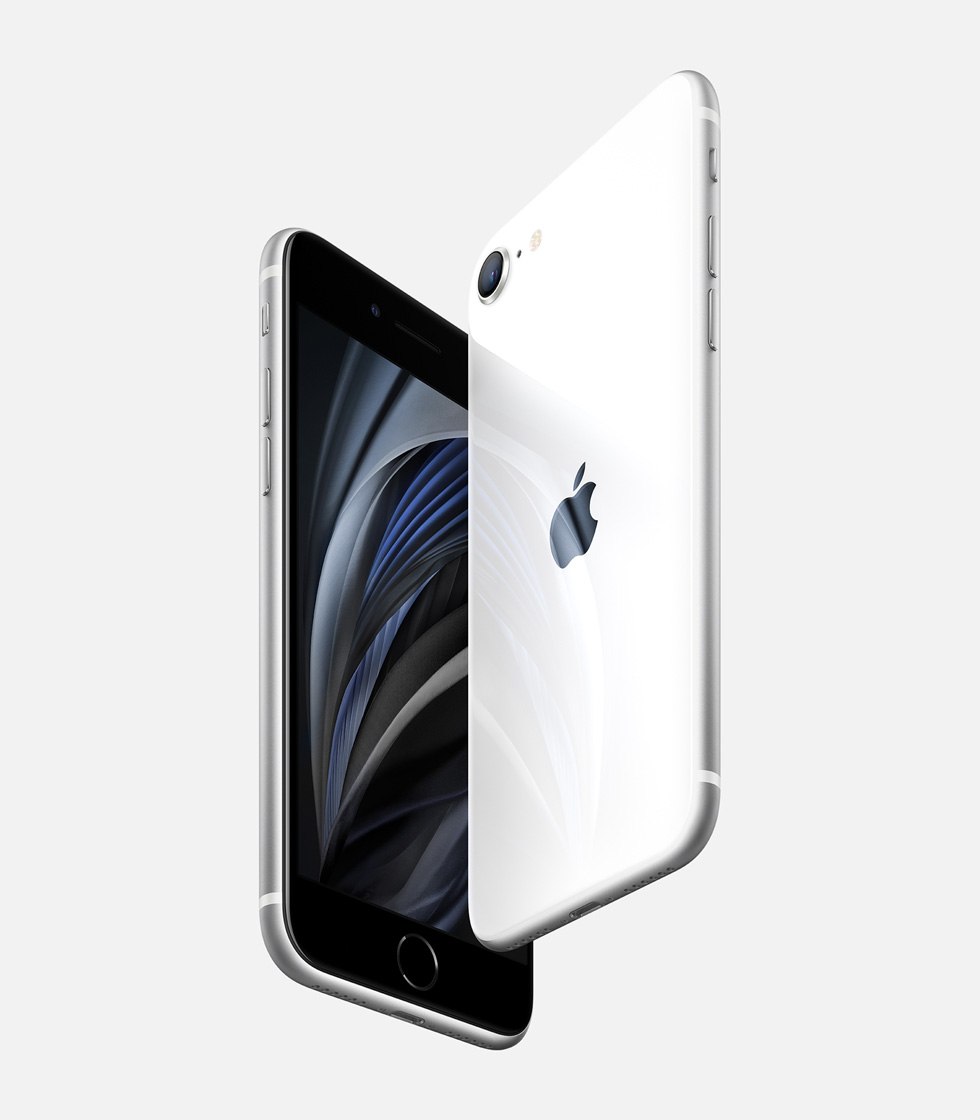
The move means Apple Stores and authorised repair partners will no longer offer hardware service or replacement parts for the 2016 device.
Apple has formally classified the first-generation iPhone SE as “obsolete,” closing the book on one of the company’s most beloved compact smartphones.
The move means Apple Stores and authorised repair partners will no longer offer hardware service or replacement parts for the 2016 device.
More To Read
- Apple names new AI chief amid pressure to catch up
- Apple poised to overtake Samsung as world’s largest smartphone maker
- Android users can now share files via Apple’s AirDrop
- OnePlus 15 launches globally, targets Apple and Samsung dominance
- Samsung SmartThings now works with Siri shortcuts on iPhone, Apple Watch
- Smart ways to free up phone storage without deleting your favourite photos
When it launched in March 2016, the original iPhone SE immediately stood out.
At a time when Apple and its competitors were racing toward larger and larger screens, the SE kept the classic 4-inch design that many users still preferred.
It delivered flagship-level performance in a body reminiscent of the iPhone 5s, earning a passionate fanbase that valued pocket-sized power.
For years, the phone remained a go-to option for minimalists, first-time iPhone users, and people who missed Apple’s classic compact form.
What “obsolete” means
With its new status, the first-gen SE loses access to: Official repairs at Apple Stores, Apple-approved replacement parts and battery service from authorised technicians.
The device will continue to function normally for owners, but once a critical component fails, official support is no longer an option.
Apple marks products as obsolete when they have not been sold for more than seven years.
The final batch of original SE units left Apple’s retail channels in 2018, putting the phone right at the threshold for retirement.
The model had already fallen off Apple’s software support list, with iOS 15 being its final major update.
Its ageing A9 chip and limited hardware capabilities made extended support increasingly impractical.
For those still holding onto the device, the announcement is a reminder to prepare:
Back up important data frequently, expect batteries to degrade without replacement options, or they need to plan for an upgrade, especially if the device is used for communication, banking, or essential apps.
However, they can still use trusted third-party repairers, though parts may grow scarce.
Older phones can continue running for years, but without support, reliability becomes a gamble.
Apple is expected to continue updating its modern SE line, but the original model’s retirement underscores how quickly mobile devices age in the fast-moving tech world.
Top Stories Today